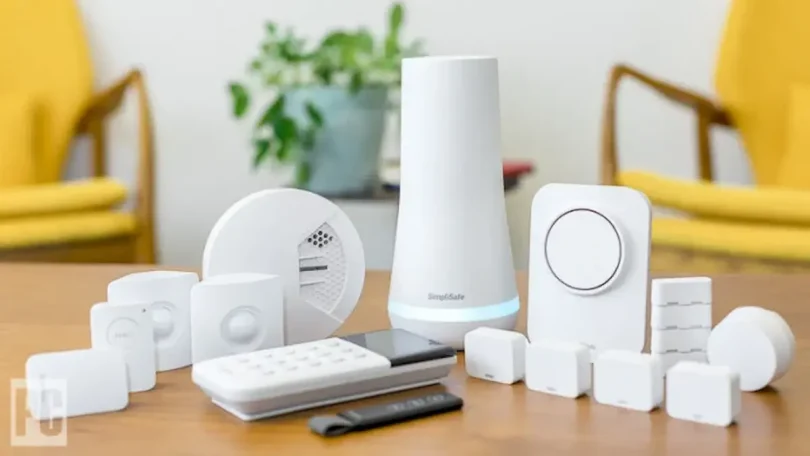

Smart home technology has rapidly changed the way people live, bringing convenience, security, energy efficiency, and comfort into everyday life. In recent years, innovations have made it possible to control lights from anywhere, monitor homes with advanced cameras, and customize living environments with just a voice command or a phone app. This article offers a straightforward and informative overview of trending smart home devices, explaining what they are, how they work, and how to choose the right ones for your needs.
Introduction to Smart Home Technology
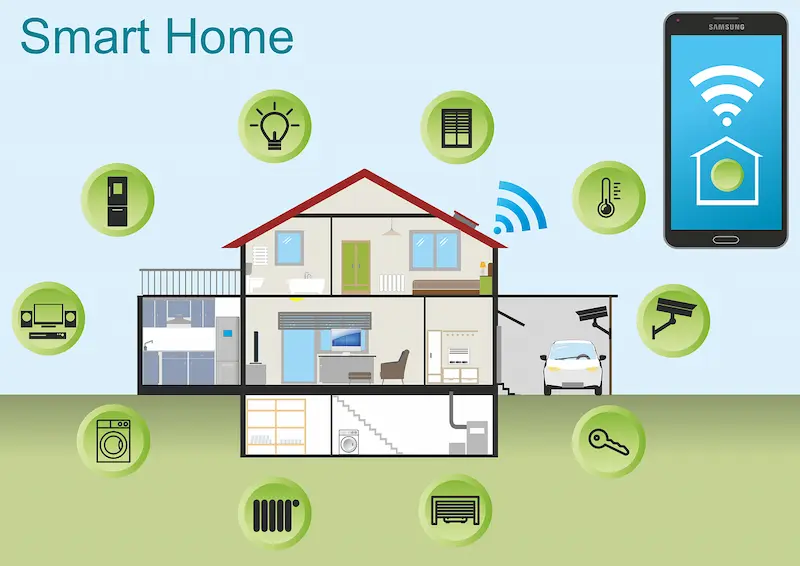
Smart home technology refers to connected devices that automate and simplify household tasks. These devices typically communicate through Wi-Fi, Bluetooth, or specialized smart home networks. With the rise of virtual assistants and Internet of Things (IoT) platforms, bringing intelligence into homes has never been easier.
Today’s smart homes can adjust lighting, regulate temperature, secure entrances, monitor air quality, and much more—offering benefits for families, professionals, and individuals of all ages.
Why Smart Home Devices Are Trending
Several key factors explain why trending smart home devices are becoming integral parts of modern households:
- Increased Connectivity: Faster internet and more reliable home networks make smart devices more responsive and efficient.
- Voice Control: Virtual assistants like Alexa, Google Assistant, and Siri allow seamless hands-free control.
- Energy Efficiency: Devices help reduce power usage by optimizing temperature, lighting, and appliance performance.
- Affordable Options: The technology is becoming more affordable, with options for every budget.
- Greater Security Needs: People want better ways to monitor and protect their homes.
Together, these trends are shaping how technology integrates into daily routines and home environments.
Types of Smart Home Devices
Smart home devices serve a wide range of purposes. Below are the most popular categories and how they benefit users.
1. Smart Speakers and Voice Assistants
Smart speakers are often the centerpiece of a connected home. These devices combine high-quality audio with built-in virtual assistants.
Key Benefits:
- Voice control for music, information, and connected devices
- Hands-free operation
- Reminders, alarms, and smart routines
With voice commands, users can adjust lights, play music, set reminders, and even check the weather without touching a screen.
2. Smart Lighting Systems
Smart lighting systems replace traditional bulbs with LED units that can be controlled remotely.
Features to Expect:
- Dimming and color adjustment
- Scheduled lighting routines
- Integration with voice assistants
These systems enhance convenience and can help save energy by automatically turning off lights when they are not needed.
3. Smart Security Cameras
Security cameras have become one of the most widely used smart home devices. They offer real-time monitoring, alerts, and recordings.
Common Functions:
- Motion detection and alerts
- Night vision
- Two-way audio communication
- Cloud or local storage options
Smart cameras help users keep an eye on their property whether they are at home or away.
4. Smart Thermostats
Smart thermostats learn your preferences and automatically adjust the temperature based on activity.
Advantages:
- Energy savings through optimized heating and cooling
- Remote control via mobile apps
- Custom schedules for different days
These devices make it easier to maintain a comfortable environment while reducing energy bills.
5. Smart Locks and Doorbells
Smart locks and video doorbells offer a new level of home entry management.
Capabilities:
- Remote locking and unlocking
- Guest access codes
- Real-time video alerts
These devices improve both convenience and security, especially for busy households.
6. Smart Plugs and Outlets
Smart plugs turn ordinary appliances into automated devices.
Useful Features:
- Remote on/off control
- Schedules for daily routines
- Energy usage tracking
With smart plugs, even lamps and coffee makers become part of the connected home.
How Smart Home Devices Work Together
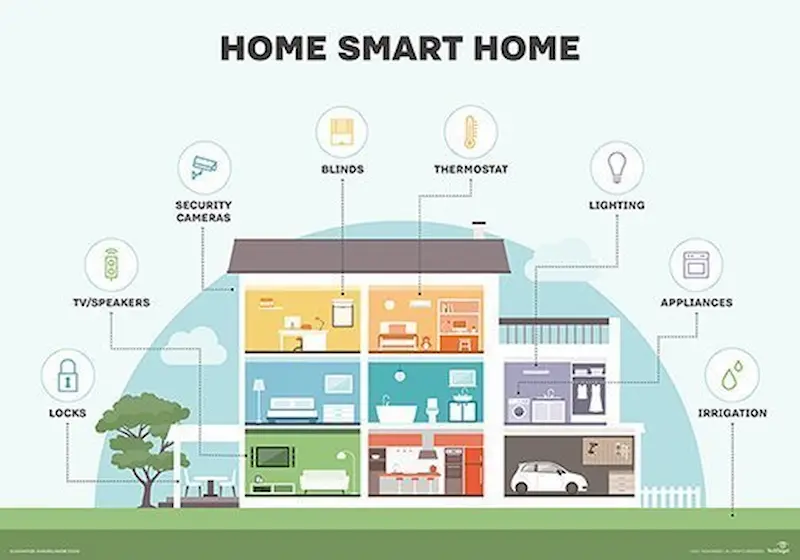
One of the best features of modern smart home systems is interoperability. Many devices work together to create automated experiences.
For example:
- A motion sensor can trigger lights when someone enters a room.
- A smart lock can notify you and turn on lights when someone arrives.
- A thermostat can adjust based on your phone’s location.
These coordinated actions elevate convenience and improve overall functionality.
You may also like it:
Top Gadget Releases: Latest Tech Innovations You Should Know
How to Set Up PC: Complete Step-by-Step Beginner Guide
Beginner Tech Tutorials: Easy Guides to Learn Technology
DIY Tech Projects: Fun & Easy Projects for Beginners
Benefits of Smart Home Devices
Smart devices offer a range of benefits that extend beyond simple convenience:
Enhanced Convenience
With voice control and mobile apps, managing household tasks becomes effortless. Whether it’s checking who’s at the door or adjusting the thermostat from the couch, smart devices make daily routines easier.
Improved Home Security
The ability to monitor and control security cameras, locks, and sensors in real time offers peace of mind. Users can receive alerts for unusual activity and take action immediately.
Energy Efficiency and Savings
Smart thermostats, lighting, and plugs help reduce waste by tailoring usage to actual needs. Over time, this can lead to noticeable savings on electricity and utility bills.
Customization for Lifestyle
Smart home devices allow users to create personalized environments. From morning routines to bedtime schedules, homes can adapt to individual preferences and habits.
Choosing the Right Smart Home Devices
With many options available, choosing the right smart home tech can feel overwhelming. Here are some tips to simplify the process:
1. Identify Your Needs
Start with simple goals. Are you focused on security? Comfort? Energy savings? Knowing your priorities helps narrow options.
2. Ensure Compatibility
Make sure devices work well with your existing network and preferred virtual assistant (Alexa, Google, Siri).
3. Think About Ease of Use
Devices should be easy to set up and operate. Look for products with intuitive apps and clear instructions.
4. Consider Long-Term Support
Choose brands that provide regular software updates and good customer support.
5. Review Privacy and Security Features
Because these devices collect data, ensuring strong privacy protections is essential. Check for encryption and secure login options.
Challenges and Considerations
Despite the many advantages, smart home devices also present challenges:
Privacy Concerns
Smart devices often collect personal data. Be sure to understand privacy settings and choose devices with strong protections.
Dependence on Internet Connectivity
Most smart home systems rely on internet access. A disruption in service can affect the functionality of devices.
Learning Curve
Some users may find new technology intimidating. Take time to learn features and explore tutorials.
Future Trends in Smart Home Technology
The smart home industry continues to evolve with exciting developments on the horizon:
AI-Driven Automation
Artificial intelligence will make devices more predictive, adjusting settings without manual input.
Improved Energy Management
Systems will optimize energy usage more intelligently, integrating solar panels, batteries, and smart grids.
Advanced Voice Control
Voice assistants will become more conversational and capable of handling complex tasks.
Greater Focus on Health and Wellness
New devices will monitor air quality, sleep patterns, and other health indicators to support well-being.
Daily Life with Smart Home Devices
Imagine a typical day:
- Morning lights gradually brighten with your alarm.
- A smart thermostat adjusts the temperature as you leave for work.
- Motion sensors activate security cameras when the house is empty.
- Smart plugs start your coffee maker before you wake up.
- At night, your home adjusts lighting and temperature for sleep.
These examples show how trending smart home devices can make routines smoother and more efficient.
Final Thoughts
Smart home technology is no longer a futuristic concept—it’s a practical part of everyday living. From voice-controlled lights to intelligent security systems, these innovations offer real value in comfort, convenience, and safety.
Whether you’re just starting with smart tech or expanding your home system, understanding the basics and key options can help you make informed choices. With careful planning and thoughtful selection, smart home devices have the power to transform ordinary spaces into responsive, efficient, and intelligent environments.
Smart home tech is advancing quickly, and staying informed about the trending smart home devices of today prepares you for the connected homes of tomorrow.
FAQs – Trending Smart Home Devices
1. What are smart home devices?
Smart home devices are connected technologies that automate household tasks such as lighting, security, temperature control, and appliance management using the internet, mobile apps, or voice commands.
2. Why are smart home devices trending?
Trending smart home devices are popular due to improved connectivity, voice control features, increased focus on energy efficiency, better home security, and more affordable pricing options.
3. What are the most common types of smart home devices?
The most common smart home devices include smart speakers, smart lighting systems, security cameras, smart thermostats, smart locks, video doorbells, and smart plugs.
4. How do smart home devices improve daily life?
They enhance convenience by automating routines, improve security with real-time monitoring, reduce energy usage, and allow users to control their homes remotely.
5. Are smart home devices safe to use?
Yes, most smart home devices are safe when properly configured. Users should enable strong passwords, update software regularly, and review privacy settings to protect personal data.