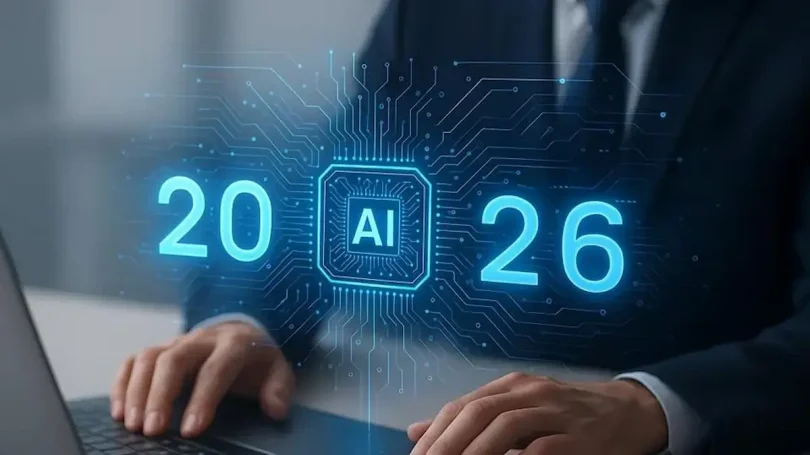

Artificial Intelligence is evolving faster than ever before. From smart assistants to advanced medical systems, AI is becoming an essential part of everyday life. By 2026, artificial intelligence is no longer limited to research labs or large companies; it is now integrated into homes, workplaces, education systems, and healthcare. Understanding these changes helps individuals and businesses prepare for the future.
This article explores the most important developments, practical uses, and real-world impact of latest AI innovations 2026, explained in a simple and easy-to-understand way.
Smarter and More Human-Like AI Systems
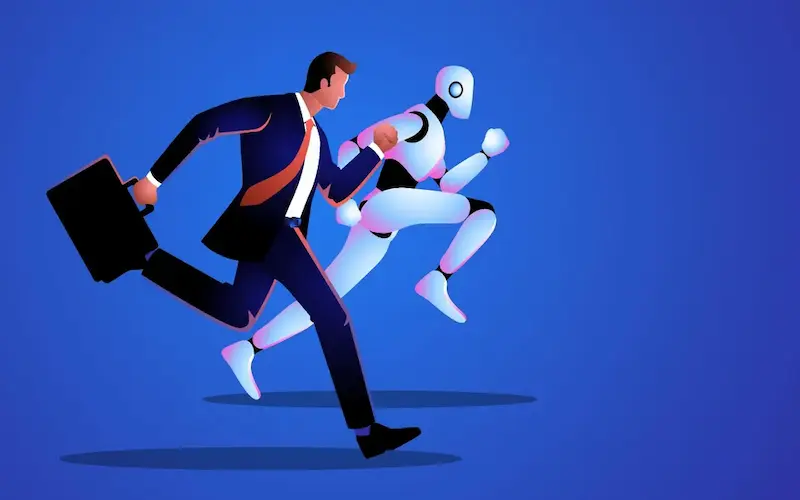
One of the biggest changes in AI is its ability to behave more like humans. Modern AI systems can now understand context, emotions, and intent more accurately than before. These systems are trained using advanced models that allow them to process language, images, and data in a more natural way.
Instead of giving robotic responses, AI tools can now communicate smoothly and adapt their behavior based on user interaction. This improvement is making AI more useful in customer service, education, and personal assistance.
AI in Healthcare and Medical Diagnosis
Healthcare is one of the most important areas where AI is making a strong impact. AI-powered tools can analyze medical images, detect diseases early, and support doctors in making accurate diagnoses. These systems reduce human error and help save time.
AI is also being used to predict health risks, manage patient data, and assist in personalized treatment plans. With these advancements, healthcare services are becoming faster, more affordable, and more accessible.
Automation in Daily Life and Workplaces
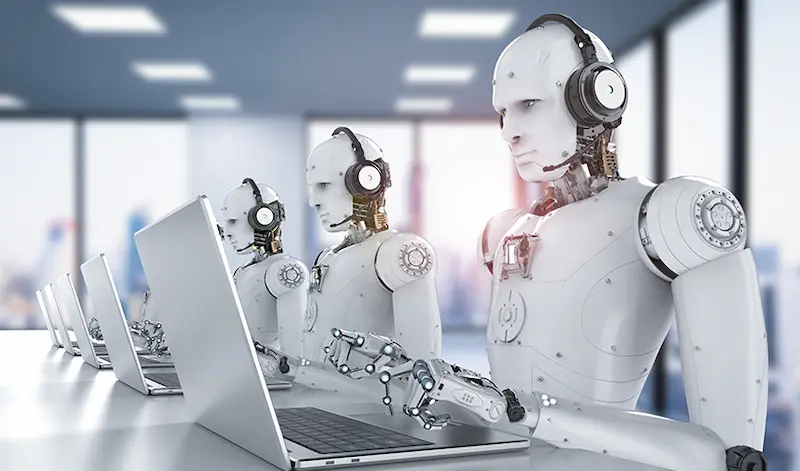
Automation is no longer limited to factories. AI now helps automate office tasks such as data entry, scheduling, customer communication, and reporting. This allows employees to focus on creative and strategic work instead of repetitive tasks.
Smart home devices are also becoming more intelligent. They can manage lighting, security, temperature, and energy usage efficiently. These improvements from latest AI innovations 2026 are making daily life more comfortable and productive.
AI-Powered Education and Learning Tools
Education is changing rapidly with the help of artificial intelligence. AI-based learning platforms can adapt to a student’s pace and learning style. These systems identify strengths and weaknesses and provide customized lessons.
Teachers benefit from AI tools that help with grading, performance tracking, and lesson planning. Students receive personalized feedback, making learning more effective and engaging.
You may also like it:
Top Gadget Releases: Latest Tech Innovations You Should Know
How to Set Up PC: Complete Step-by-Step Beginner Guide
Beginner Tech Tutorials: Easy Guides to Learn Technology
DIY Tech Projects: Fun & Easy Projects for Beginners
Advances in Natural Language Processing
Natural Language Processing (NLP) allows machines to understand and respond to human language. In 2026, NLP has reached a level where AI can understand complex sentences, multiple languages, and even cultural context.
This advancement is improving translation tools, chat systems, and voice assistants. Businesses use NLP-powered tools to analyze customer feedback and improve communication strategies.
Ethical and Responsible AI Development
As AI grows more powerful, ethical concerns are also increasing. Developers are focusing on creating responsible AI systems that are fair, transparent, and secure. Efforts are being made to reduce bias, protect user privacy, and ensure accountability.
Governments and organizations are working together to create guidelines and policies for ethical AI usage. Responsible development is essential to ensure that AI benefits society as a whole.
AI in Creative Industries
AI is no longer limited to technical fields. It is now playing a role in creative industries such as art, music, writing, and design. AI tools can generate artwork, assist in music composition, and support content creation.
These tools do not replace human creativity but enhance it. Artists and creators use AI as a helper to explore new ideas and improve efficiency. This creative expansion is a key highlight of latest AI innovations 2026.
Cybersecurity and AI Protection Systems
Cybersecurity threats are becoming more complex, and AI is helping to fight them. AI-based security systems can detect unusual behavior, identify threats, and respond faster than traditional methods.
These systems learn continuously and improve their defense strategies over time. As digital data increases, AI-driven cybersecurity is becoming essential for protecting sensitive information.
AI in Transportation and Smart Cities
Transportation systems are becoming smarter with AI integration. AI helps manage traffic flow, improve public transport schedules, and support autonomous vehicle development. These systems reduce congestion and improve safety.
Smart cities use AI to manage energy, waste, and public services efficiently. By analyzing data in real time, cities can provide better living conditions for residents.
Preparing for an AI-Driven Future
To benefit from AI advancements, individuals need basic digital awareness and adaptability. Learning how AI tools work and understanding their limitations is important. Skills such as critical thinking, creativity, and problem-solving remain valuable in an AI-driven world.
Businesses that adopt AI responsibly can improve efficiency, customer satisfaction, and innovation. Society must focus on balanced growth where technology supports human development.
Conclusion
Artificial intelligence in 2026 is shaping the future in powerful ways. From healthcare and education to creativity and security, AI is improving efficiency and quality of life. The key to success lies in understanding these changes and using AI responsibly. As latest AI innovations 2026 continue to evolve, staying informed will help individuals and organizations adapt confidently.
FAQs
1. What makes AI in 2026 different from earlier years?
AI in 2026 is more accurate, human-like, and capable of understanding context and emotions.
2. Is AI replacing human jobs completely?
AI automates tasks, but it also creates new job opportunities and supports human work.
3. How does AI help in healthcare?
AI helps with early diagnosis, medical imaging, patient data management, and personalized treatments.
4. Are AI systems safe to use?
When developed responsibly with ethical guidelines, AI systems can be safe and reliable.
5. How can beginners prepare for an AI-driven future?
By improving digital skills, staying informed, and learning how to use AI tools effectively.