
Digital innovation is transforming the way businesses operate, how people interact, and how industries evolve. Digital innovation trends refer to new technologies, tools, and strategies that drive efficiency, creativity, and competitive advantage. Staying updated with these trends is crucial for businesses, professionals, and tech enthusiasts who want to remain relevant in the digital era.
In this article, we explore the most important digital innovation trends, their applications, benefits, and what the future holds.
What Are Digital Innovation Trends?
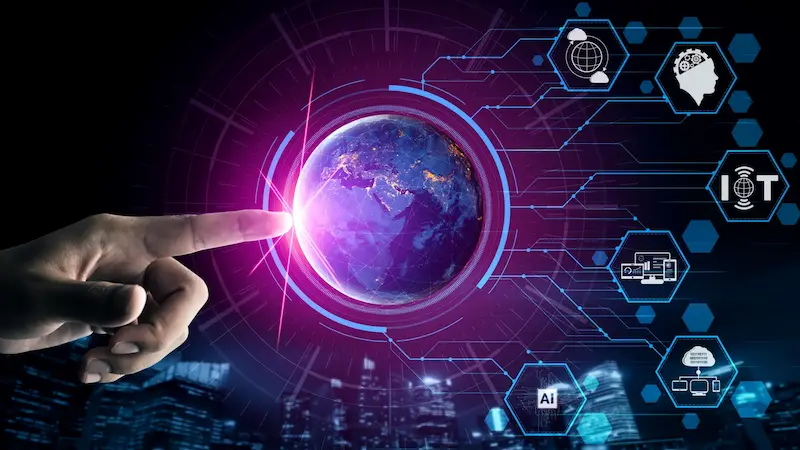
Digital innovation trends are evolving technologies, platforms, and strategies that disrupt traditional methods and create new opportunities. They often combine software, hardware, and digital processes to enhance productivity, customer experience, and business growth.
Key areas include artificial intelligence (AI), cloud computing, Internet of Things (IoT), augmented reality (AR), virtual reality (VR), blockchain, and automation technologies.
Top Digital Innovation Trends in 2025
1. Artificial Intelligence and Machine Learning
AI continues to dominate digital innovation trends by enabling smarter decision-making, automation, and personalized experiences. Machine learning algorithms help businesses predict customer behavior, optimize operations, and create intelligent products.
Applications:
- AI-powered chatbots and customer support
- Predictive analytics for business insights
- Personalized marketing and recommendations
- Automation of repetitive tasks
2. Cloud Computing and Edge Computing
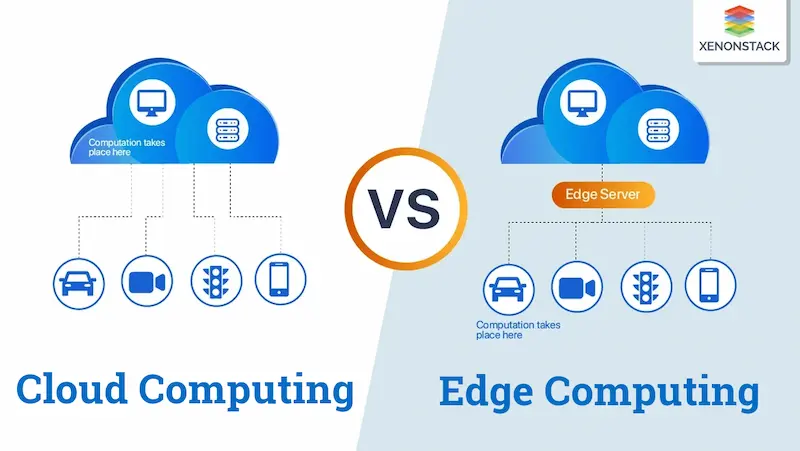
Cloud computing allows businesses to store, manage, and process data over the internet, reducing dependency on physical servers. Edge computing complements this by processing data closer to the source, improving speed and reducing latency.
Benefits:
- Cost-efficient infrastructure
- Scalability for growing businesses
- Faster data processing for real-time applications
- Support for IoT devices and AI applications
3. Internet of Things (IoT)
IoT connects devices and systems to collect and share data, making homes, cities, and workplaces smarter.
Applications:
- Smart homes with automated lighting and appliances
- Industrial IoT for predictive maintenance and operational efficiency
- Healthcare devices for real-time monitoring of patients
- Connected vehicles for traffic optimization
4. Augmented Reality (AR) and Virtual Reality (VR)
AR and VR are digital innovation trends that enhance user experience and engagement. While AR overlays digital content onto the real world, VR immerses users in fully virtual environments.
Applications:
- Virtual training for employees and students
- Interactive marketing and product demos
- Immersive gaming and entertainment
- Virtual property tours in real estate
5. Blockchain and Decentralized Technologies
Blockchain ensures transparency, security, and decentralization. It is not just about cryptocurrencies—it’s now used in supply chains, healthcare, finance, and digital identity management.
Benefits:
- Secure, tamper-proof records
- Streamlined transactions and smart contracts
- Improved transparency and accountability
You may also like it:
Top Gadget Releases: Latest Tech Innovations You Should Know
How to Set Up PC: Complete Step-by-Step Beginner Guide
Beginner Tech Tutorials: Easy Guides to Learn Technology
DIY Tech Projects: Fun & Easy Projects for Beginners
6. Automation and Robotic Process Automation (RPA)
Automation reduces human effort for repetitive tasks and increases efficiency. RPA enables organizations to automate rule-based tasks, improving productivity and accuracy.
Applications:
- Automated customer service and ticketing systems
- Data entry and processing
- Supply chain management
- Financial reporting
7. 5G Technology
5G networks are revolutionizing connectivity with faster speeds, lower latency, and higher capacity. This trend is essential for supporting IoT, smart cities, autonomous vehicles, and immersive digital experiences.
Benefits:
- Seamless video streaming and cloud gaming
- Real-time remote work solutions
- Faster data transfer and communication
Benefits of Embracing Digital Innovation Trends
- Enhanced efficiency and productivity
- Better customer engagement and personalization
- Cost savings through automation and cloud solutions
- Competitive advantage in digital markets
- Opportunities for new products and business models
Challenges and Considerations
- High initial investment costs
- Data privacy and cybersecurity risks
- Skill gaps and need for employee training
- Integration with existing systems
- Rapidly changing technology landscape
Future of Digital Innovation Trends
The future of digital innovation includes:
- Smarter AI systems for predictive and adaptive solutions
- Expansion of IoT ecosystems and smart cities
- Integration of AR/VR into everyday applications
- Sustainable and eco-friendly technology solutions
- Greater focus on cybersecurity and data governance
Businesses that adapt quickly to these trends will stay ahead of the competition and drive growth in a digital-first world.
FAQs About Digital Innovation Trends
1. What are digital innovation trends?
They are emerging technologies and strategies that improve efficiency, engagement, and business growth in the digital age.
2. Which industries benefit from digital innovation?
Industries like healthcare, finance, education, manufacturing, retail, and entertainment gain the most from digital innovations.
3. How does AI fit into digital innovation trends?
AI automates tasks, analyzes data, predicts outcomes, and personalizes experiences, making it a key driver of innovation.
4. Why is 5G important for digital innovation?
5G enables faster connectivity, low latency, and supports IoT, VR/AR, and real-time digital applications.
5. How can businesses adopt digital innovation trends effectively?
By investing in relevant technologies, training employees, ensuring cybersecurity, and integrating new tools with existing systems.