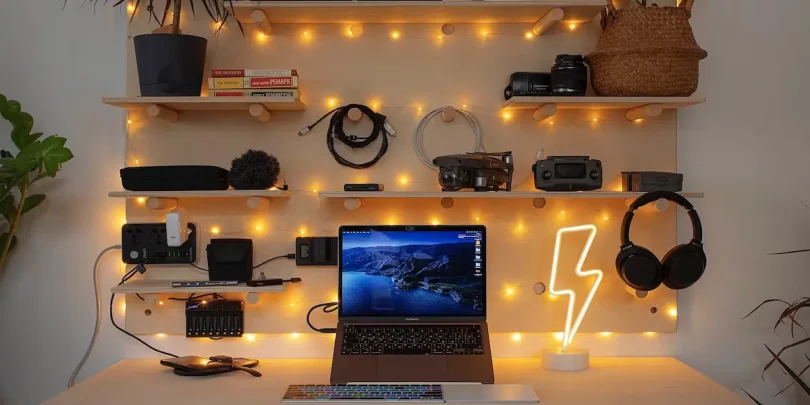

Technology is everywhere, and learning to create, modify, or build your own gadgets can be both fun and educational. DIY tech projects allow you to explore electronics, coding, robotics, and smart devices, helping you understand how technology works while fostering creativity and problem-solving skills.
Whether you are a beginner or an experienced hobbyist, this guide covers the basics, popular project ideas, tools you need, and tips to successfully complete your DIY tech projects.
What Are DIY Tech Projects?
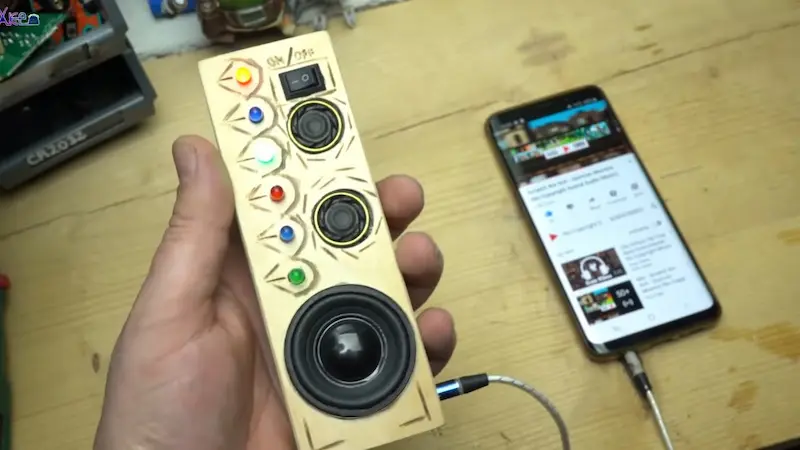
DIY tech projects are do-it-yourself activities where individuals design, build, or modify electronic devices, software, or gadgets. These projects can range from simple circuits and Arduino projects to advanced robotics, home automation, or even custom software applications.
Key benefits of DIY tech projects include:
- Learning by Doing: Gain hands-on experience with electronics, programming, and design.
- Creativity: Customize gadgets to your needs and preferences.
- Problem-Solving Skills: Troubleshoot challenges during the project.
- Cost Efficiency: Build useful tools at a lower cost than buying pre-made solutions.
DIY tech projects are not only educational but can also be fun and rewarding.
Essential Tools and Materials
Before starting any DIY tech projects, gather the necessary tools and materials. While requirements vary depending on the project, common essentials include:
- Basic Electronics Tools: Soldering kit, multimeter, wire stripper, and breadboards.
- Microcontrollers and Boards: Arduino, Raspberry Pi, or ESP32.
- Sensors and Modules: Temperature sensors, motion sensors, LEDs, and motors.
- Software Tools: Programming environments like Arduino IDE, Python, or Scratch.
- Safety Equipment: Safety goggles, gloves, and anti-static mats.
Having the right tools ensures a smooth workflow and reduces the risk of mistakes or accidents.
Popular DIY Tech Projects for Beginners
Here are some engaging DIY tech projects suitable for beginners:
- LED Blink Project
Learn the basics of circuits and coding by making an LED blink using an Arduino board. This simple project introduces fundamental concepts of programming and electronics. - Smart Home Automation
Use Raspberry Pi or Arduino to control lights, fans, or appliances through a smartphone or voice assistant. This project demonstrates IoT applications and automation. - Temperature and Humidity Monitor
Create a device that displays room temperature and humidity using sensors. This project teaches sensor integration, data reading, and display output. - DIY Robot Car
Build a small robotic car that can move forward, backward, and avoid obstacles. This project introduces motors, sensors, and basic robotics principles. - Motion-Activated Alarm
Design a security system that triggers an alarm when motion is detected. This project combines sensors, programming, and real-world problem-solving.
These projects are perfect starting points for anyone interested in exploring DIY tech projects while building practical skills.
You may also like it:
Top Gadget Releases: Latest Tech Innovations You Should Know
How to Set Up PC: Complete Step-by-Step Beginner Guide
Beginner Tech Tutorials: Easy Guides to Learn Technology
Steps to Successfully Complete DIY Tech Projects
To ensure success in your DIY tech projects, follow these steps:
- Plan Your Project
Define the purpose, components, and budget for your project. Planning reduces errors and ensures you have everything you need. - Research and Learn
Look for tutorials, guides, and videos related to your project. Understanding the concept before starting helps prevent mistakes. - Assemble Components
Gather all parts and check for compatibility. Organize components on a clean workspace for easy access. - Follow Instructions or Schematics
Use guides, wiring diagrams, or schematics to assemble and connect components. Accurate connections are crucial for functionality. - Test and Troubleshoot
Power the project and test all features. Troubleshoot errors step by step, checking connections, code, and components. - Document Your Work
Keep notes, sketches, or photos of your project. Documentation helps in future projects or troubleshooting. - Enhance and Customize
Once your project works, consider adding enhancements like remote control, automation, or improved design.
Following these steps ensures a smoother experience and better results for your DIY tech projects.
Safety Tips for DIY Tech Projects

Safety is crucial when working with electronics or tools. Keep these tips in mind:
- Work in a well-lit and ventilated area.
- Avoid working with high-voltage circuits if you are a beginner.
- Wear protective gear such as goggles and gloves.
- Keep liquids away from electronics.
- Always double-check connections before powering devices.
Being cautious prevents accidents and protects both you and your devices.
Conclusion
DIY tech projects are an exciting way to learn, innovate, and explore the world of technology. From simple circuits to advanced robotics, these projects help beginners and enthusiasts understand electronics, programming, and automation in a practical, hands-on way.
By following proper planning, research, safety precautions, and step-by-step instructions, anyone can enjoy the rewards of completing their own DIY tech projects.
Start small, experiment, and gradually take on more complex projects to build confidence and skills in the exciting world of technology.
FAQs
1. What are DIY tech projects?
DIY tech projects are activities where individuals design, build, or modify electronic devices or software themselves.
2. Do I need prior experience to start DIY tech projects?
No, beginners can start with simple projects like LED circuits or basic robotics.
3. Which tools are essential for DIY tech projects?
Basic tools include soldering kits, multimeters, breadboards, microcontrollers, and sensors.
4. Can DIY tech projects be done at home?
Yes, most DIY tech projects can be completed safely at home with proper tools and precautions.
5. How do DIY tech projects help learners?
They improve problem-solving, coding, electronics understanding, creativity, and hands-on technical skills.