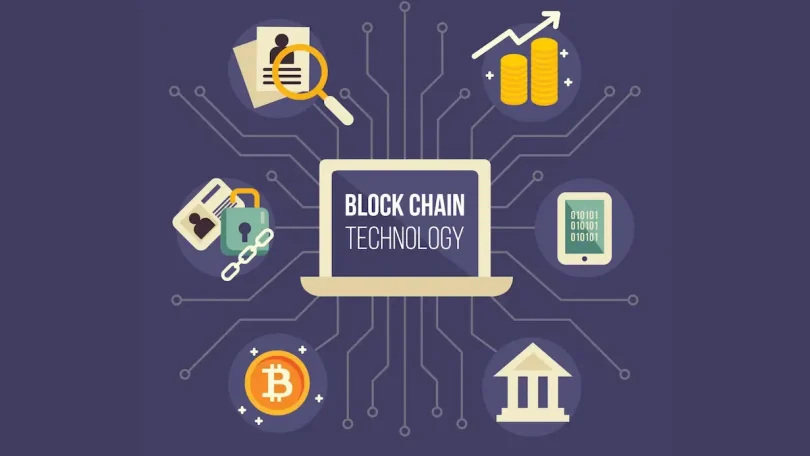

Blockchain has moved far beyond its early association with digital currencies. It is now considered one of the most transformative technologies of the modern era. By improving transparency, security, and efficiency, blockchain is reshaping how data is stored and shared across many industries. Governments, businesses, and developers continue to explore new ways to use this technology in everyday systems.
This article explains the most important changes, trends, and real-world applications related to blockchain technology updates, written in a clear and easy-to-understand way for all readers.
Understanding the Core Concept of Blockchain
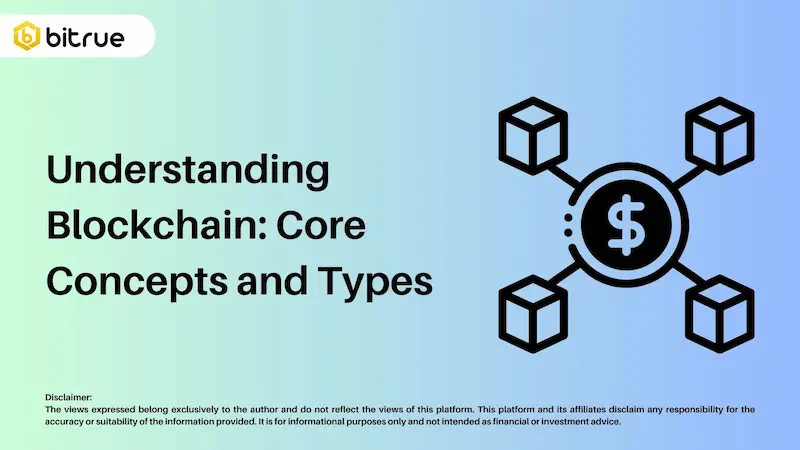
Blockchain is a decentralized digital ledger that records transactions across multiple computers. Instead of relying on a single central authority, data is distributed among participants in a network. Each record, known as a block, is linked to the previous one, forming a secure chain.
This structure makes blockchain highly resistant to tampering. Once information is added, it cannot be easily altered, which builds trust among users and reduces the risk of fraud.
Improved Scalability and Speed
One of the major challenges of early blockchain systems was slow transaction speed. Recent advancements have focused on improving scalability so that networks can handle more transactions efficiently.
New techniques such as optimized consensus mechanisms and layered processing systems are helping blockchains process data faster. These improvements are making blockchain more practical for large-scale use, including payments, data sharing, and enterprise solutions.
Energy-Efficient Blockchain Solutions
Energy consumption has been a major concern in blockchain development. Developers are now focusing on eco-friendly approaches that reduce power usage without compromising security.
Energy-efficient systems use alternative validation methods that require less computational power. These advancements have become a key part of blockchain technology updates, helping the technology align better with global sustainability goals.
Expansion of Smart Contracts
Smart contracts are self-executing programs that run on blockchain networks. They automatically perform actions when predefined conditions are met. This reduces the need for intermediaries and speeds up processes.
Smart contracts are now being used in areas such as digital agreements, supply chain tracking, insurance claims, and asset management. Their accuracy and automation help reduce human error and operational costs.
Blockchain in Supply Chain Management
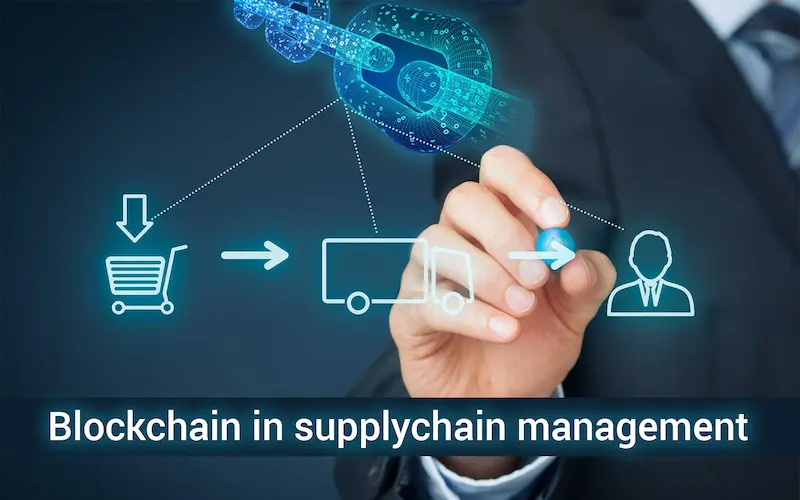
Supply chains often suffer from a lack of transparency and traceability. Blockchain provides a shared and tamper-proof record of product movement from origin to delivery.
With blockchain, businesses can verify authenticity, track shipments in real time, and identify delays quickly. These benefits improve efficiency and build trust between suppliers, manufacturers, and consumers.
Integration with Artificial Intelligence and IoT
Blockchain is increasingly being combined with Artificial Intelligence (AI) and the Internet of Things (IoT). AI helps analyze blockchain data, while IoT devices provide real-time information from physical environments.
This integration allows secure data sharing between smart devices and improves decision-making processes. Such integrations represent a strong direction in blockchain technology updates, especially for industries like healthcare, logistics, and smart cities.
You may also like it:
Top Gadget Releases: Latest Tech Innovations You Should Know
How to Set Up PC: Complete Step-by-Step Beginner Guide
Beginner Tech Tutorials: Easy Guides to Learn Technology
DIY Tech Projects: Fun & Easy Projects for Beginners
Enhanced Security and Data Privacy
Security remains one of blockchain’s strongest advantages. Advanced encryption and decentralized storage protect data from unauthorized access and cyberattacks.
New privacy-focused solutions allow users to control what information they share while still maintaining transparency. These developments make blockchain suitable for sensitive data handling, such as identity verification and financial records.
Regulatory Developments and Standardization
As blockchain adoption increases, governments and regulatory bodies are creating frameworks to ensure safe and legal usage. Clear regulations help reduce uncertainty and encourage wider adoption.
Standardization efforts aim to make different blockchain systems compatible with each other. These steps improve reliability and support long-term growth across industries.
Blockchain in Digital Identity Systems
Digital identity management is becoming a major use case for blockchain. Traditional identity systems are vulnerable to data breaches and misuse.
Blockchain-based identity solutions give individuals control over their personal data. Users can verify their identity securely without exposing unnecessary information, reducing fraud and improving privacy.
Future Outlook of Blockchain Development
The future of blockchain looks promising as technology continues to mature. Ongoing research focuses on improving usability, reducing costs, and expanding real-world applications.
As awareness grows, more sectors are expected to adopt blockchain solutions. Continuous innovation ensures that blockchain technology updates remain relevant and impactful in the years ahead.
Conclusion
Blockchain has evolved into a powerful tool for secure, transparent, and efficient data management. From supply chains and smart contracts to digital identity and sustainability, its influence is expanding rapidly. Understanding these developments helps individuals and organizations prepare for a more decentralized and trustworthy digital future.
FAQs
1. What is the main purpose of blockchain technology?
The main purpose is to provide secure, transparent, and tamper-resistant data recording without central control.
2. Is blockchain only used for digital currencies?
No, blockchain is used in supply chains, healthcare, identity systems, and many other industries.
3. Are blockchain systems secure?
Yes, blockchain uses advanced encryption and decentralization to enhance security.
4. Can blockchain reduce business costs?
Blockchain reduces intermediaries and automation costs, which can lower operational expenses.
5. What industries benefit most from blockchain?
Finance, logistics, healthcare, government services, and digital identity systems benefit greatly.