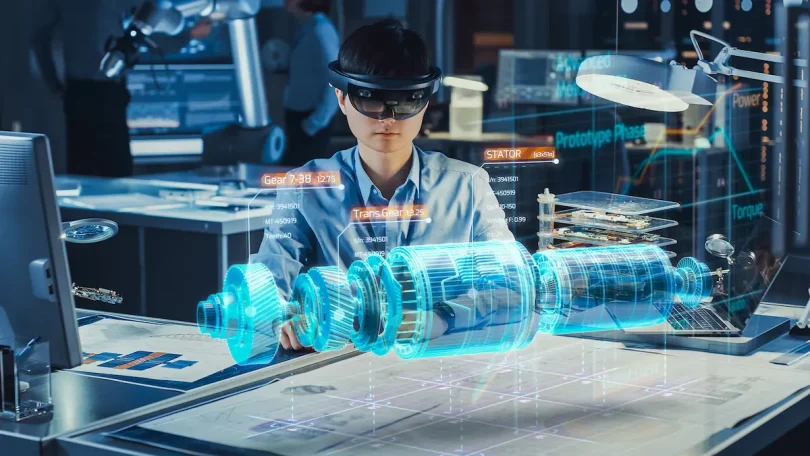

Virtual Reality (VR) is no longer just a concept from science fiction. It has become a powerful technology that is reshaping industries, entertainment, education, healthcare, and even daily work routines. The rise of new virtual reality tools is making immersive digital experiences more accessible, realistic, and useful than ever before.
In this article, we’ll explore what new virtual reality tools are, how they work, and why they are becoming essential in today’s tech-driven world.
What Are New Virtual Reality Tools?
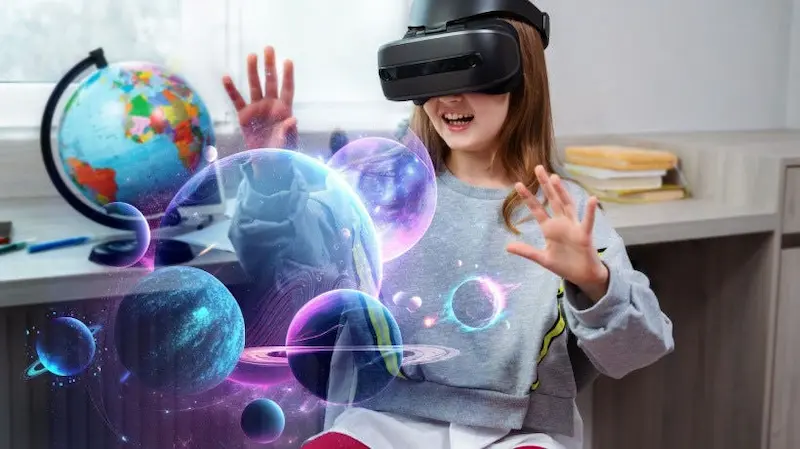
New virtual reality tools are advanced hardware and software solutions designed to create immersive, computer-generated environments that users can interact with in real time. These tools include VR headsets, motion controllers, haptic devices, software platforms, and AI-powered systems that enhance realism and user engagement.
Unlike older VR systems, modern tools are lighter, faster, more affordable, and offer higher visual quality with smoother performance.
Key Types of New Virtual Reality Tools
1. Advanced VR Headsets
Modern VR headsets now feature:
- Higher resolution displays
- Wider field of view
- Improved comfort and lightweight designs
- Standalone operation without cables
These upgrades allow users to enjoy longer and more immersive experiences.
2. Motion Tracking and Controllers
New virtual reality tools include precise motion tracking systems that capture hand, body, and finger movements. This allows users to interact naturally with virtual environments, making experiences feel more lifelike.
3. Haptic Feedback Devices
Haptic technology adds the sense of touch to VR. Gloves, suits, and controllers provide physical feedback, allowing users to feel textures, vibrations, or resistance in virtual worlds.
4. VR Software and Development Platforms
Modern VR software tools help developers create realistic environments, simulations, and applications. These platforms support:
- 3D modeling
- Real-time rendering
- AI-powered interactions
- Cross-platform compatibility
5. AI-Integrated Virtual Reality Tools
Artificial intelligence is enhancing VR by enabling smarter avatars, realistic environments, and adaptive learning experiences. AI makes virtual interactions more human-like and responsive.
Uses of New Virtual Reality Tools
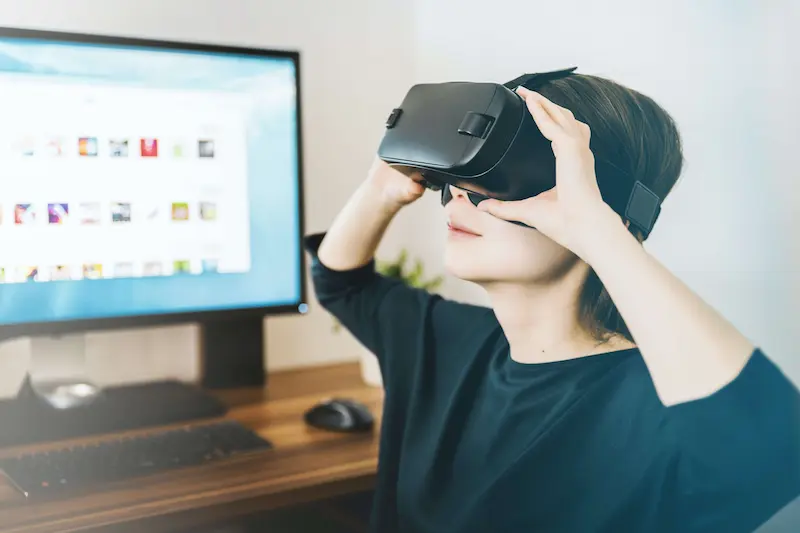
Education and Training
New virtual reality tools allow students and professionals to learn through immersive simulations. From virtual classrooms to skill-based training, VR improves understanding and retention.
Healthcare and Therapy
VR tools are now used for:
- Medical training
- Pain management
- Mental health therapy
- Physical rehabilitation
These applications offer safe and controlled environments for treatment and practice.
Gaming and Entertainment
The gaming industry benefits greatly from new virtual reality tools, offering realistic graphics, interactive gameplay, and fully immersive storytelling experiences.
Business and Remote Work
VR tools enable virtual meetings, product demonstrations, and collaborative workspaces, reducing travel costs and improving remote teamwork.
Architecture and Real Estate
With new virtual reality tools, architects and real estate agents can showcase virtual property tours, helping clients visualize spaces before construction or purchase.
You may also like it:
Top Gadget Releases: Latest Tech Innovations You Should Know
How to Set Up PC: Complete Step-by-Step Beginner Guide
Beginner Tech Tutorials: Easy Guides to Learn Technology
DIY Tech Projects: Fun & Easy Projects for Beginners
Benefits of New Virtual Reality Tools
- Enhanced user engagement
- Improved learning and training outcomes
- Cost-effective simulations
- Realistic and immersive experiences
- Increased productivity in professional environments
Challenges and Limitations
Despite their advantages, new virtual reality tools still face some challenges:
- High initial setup costs
- Motion sickness for some users
- Hardware compatibility issues
- Need for powerful computing systems
However, continuous innovation is gradually addressing these limitations.
Future of New Virtual Reality Tools
The future of new virtual reality tools looks promising. As technology advances, we can expect:
- More affordable VR systems
- Greater realism with sensory integration
- Wider adoption in everyday life
- Seamless integration with AI and augmented reality
VR is moving toward becoming a mainstream technology rather than a niche innovation.
Conclusion
New virtual reality tools are redefining how we interact with digital environments. From education and healthcare to gaming and business, these tools are unlocking endless possibilities. As VR technology continues to evolve, it will play an even greater role in shaping the future of communication, learning, and entertainment.
Staying updated with new virtual reality tools is essential for individuals and businesses looking to stay ahead in the digital era.
FAQs About New Virtual Reality Tools
1. What are new virtual reality tools?
New virtual reality tools are advanced hardware and software solutions that create immersive digital environments. They include VR headsets, motion controllers, haptic devices, and AI-powered software.
2. How do new virtual reality tools work?
These tools use sensors, motion tracking, and high-resolution displays to simulate a 3D environment. Users can interact with this environment through controllers or wearable devices, making the experience immersive.
3. What industries use new virtual reality tools?
VR tools are used in gaming, education, healthcare, architecture, real estate, remote work, and training simulations.
4. Are new virtual reality tools expensive?
While high-end VR tools can be costly, recent innovations have made affordable and lightweight VR headsets and software more accessible to individuals and businesses.
5. Can VR tools help in education?
Yes! VR tools provide immersive learning experiences, virtual labs, and realistic simulations, which improve understanding and retention for students and professionals.