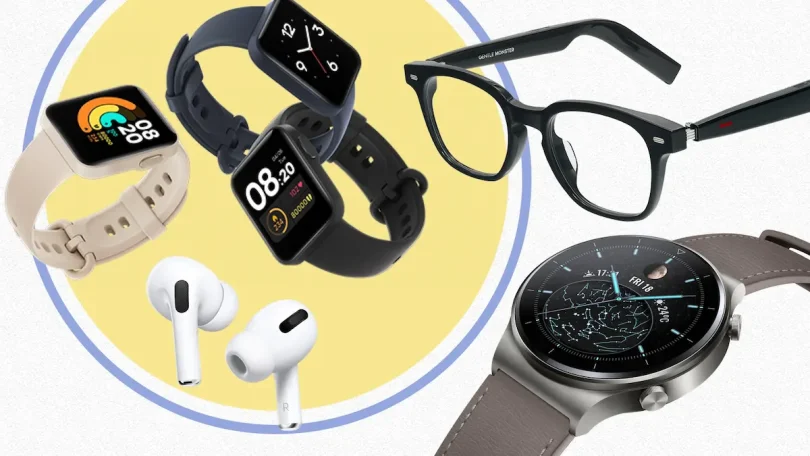

Wearable technology has rapidly evolved from simple fitness trackers into the best wearable gadgets—powerful smart devices that can monitor health, improve productivity, and enhance everyday life. From smartwatches to smart glasses, these devices are designed to be worn comfortably while offering advanced features that were once only possible on smartphones or computers. This article provides a simple, clear, and informative overview of wearable gadgets, their types, benefits, and how to choose the right one for your needs.
What Are Wearable Gadgets?
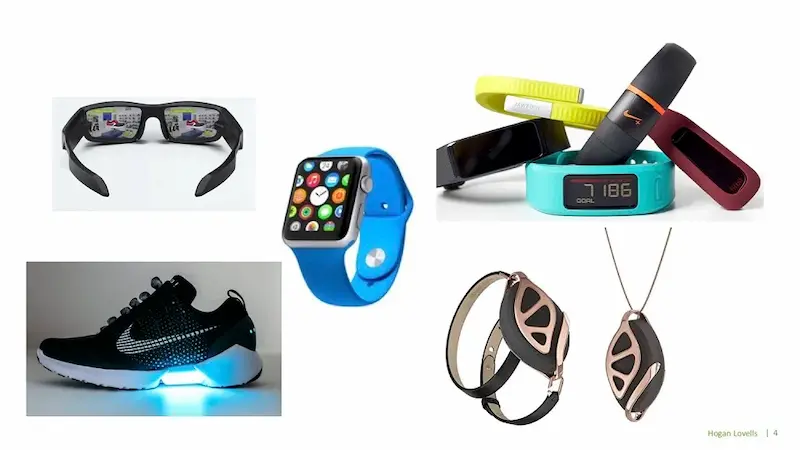
Wearable gadgets are electronic devices that are worn on the body, such as on the wrist, face, clothing, or even shoes. They use sensors, software, and connectivity features like Bluetooth or Wi-Fi to collect and analyze data in real time. Most wearable devices are designed to work alongside smartphones, allowing users to receive notifications, track activity, or monitor health without constantly checking their phones.
Over the years, wearables have become lighter, smarter, and more energy-efficient. Today, they are used not only for fitness but also for healthcare, communication, entertainment, and safety.
Evolution of Wearable Technology
The concept of wearable technology is not entirely new. Early examples include calculator watches and basic pedometers. However, modern wearable gadgets began gaining popularity in the last decade with the introduction of advanced sensors and mobile app integration.
Key developments in wearable technology include:
- Heart rate and sleep monitoring
- GPS tracking
- Voice assistants
- Contactless payments
- Blood oxygen and stress level tracking
These improvements have transformed wearables into everyday tools rather than novelty items.
Popular Types of Wearable Gadgets
Smartwatches
Smartwatches are the most widely used wearable devices. They offer a combination of fitness tracking, communication, and productivity features. Users can check messages, answer calls, track workouts, and monitor health metrics directly from their wrist.
Common features include:
- Step counting and activity tracking
- Heart rate monitoring
- Sleep analysis
- Notifications and alerts
- App support
Smartwatches are suitable for both fitness enthusiasts and general users who want convenience.
Fitness Trackers
Fitness trackers focus primarily on health and physical activity. They are usually smaller and more affordable than smartwatches, making them ideal for users who want simple and focused functionality.
Typical features include:
- Step and distance tracking
- Calorie counting
- Sleep tracking
- Workout modes
These devices are popular among beginners who want to improve their daily activity levels without complex features.
Smart Rings
Smart rings are compact wearable gadgets worn on the finger. Despite their small size, they can track important health data such as sleep quality, heart rate, and activity levels.
Benefits of smart rings include:
- Minimal and stylish design
- Comfortable for 24/7 wear
- Accurate sleep tracking
They are ideal for users who prefer discreet technology over larger devices.
Smart Glasses
Smart glasses are wearable devices that resemble regular eyeglasses but include digital displays, cameras, or audio features. Some models focus on augmented reality, while others are designed for hands-free calls and navigation.
Common uses include:
- Navigation guidance
- Voice commands
- Photography and video recording
- Accessibility support
Although still evolving, smart glasses are becoming more practical and user-friendly.
You may also like it:
Top Gadget Releases: Latest Tech Innovations You Should Know
How to Set Up PC: Complete Step-by-Step Beginner Guide
Beginner Tech Tutorials: Easy Guides to Learn Technology
DIY Tech Projects: Fun & Easy Projects for Beginners
Wearable Health Devices
Wearable health devices are designed specifically for medical and wellness purposes. These include devices that monitor blood pressure, blood oxygen levels, posture, or even detect irregular heart rhythms.
They are especially useful for:
- Elderly users
- Patients with chronic conditions
- Individuals focused on preventive healthcare
Such devices help users stay informed about their health and share data with healthcare professionals when needed.
Benefits of Using Wearable Gadgets
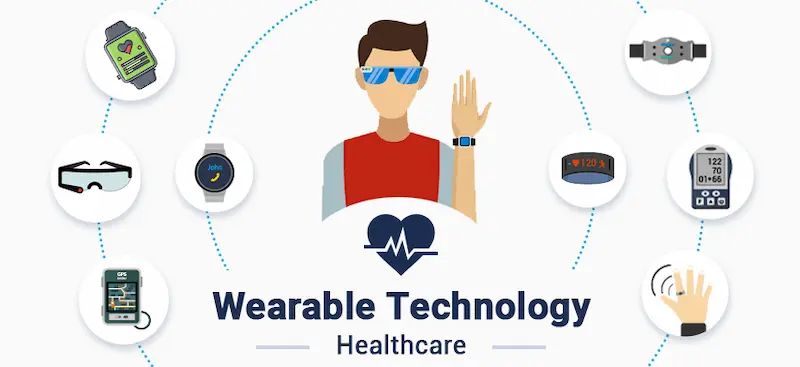
Wearable gadgets offer several advantages that make them valuable in daily life.
Health Awareness
One of the biggest benefits is increased awareness of personal health. By tracking steps, heart rate, sleep, and activity, users gain insights into their lifestyle and can make healthier choices.
Convenience
Wearables allow users to access information quickly without using their phones. Notifications, reminders, and alerts can be checked at a glance, saving time and effort.
Motivation and Goal Setting
Many wearable devices include goal-setting features and reminders that encourage users to stay active and consistent. Seeing progress in real time can be highly motivating.
Safety and Emergency Features
Some wearable gadgets include emergency alerts, fall detection, and location sharing. These features are especially helpful for seniors and people who live alone.
How Wearable Gadgets Support Daily Life
Wearable technology is no longer limited to fitness or health. It has become part of everyday routines.
In professional life, wearables help manage schedules, meetings, and notifications efficiently. In personal life, they support wellness, exercise, and stress management. Even during travel, wearables assist with navigation, time management, and communication.
This wide range of applications is why many people consider these devices among the best wearable gadgets available today.
Factors to Consider Before Buying a Wearable Gadget
Choosing the right wearable device depends on individual needs and preferences. Here are some important factors to consider:
Purpose
Decide whether you want the device mainly for fitness, health monitoring, communication, or general convenience. A clear purpose helps narrow down options.
Comfort and Design
Since wearables are worn for long periods, comfort is essential. Choose a design and size that suits your lifestyle and personal taste.
Battery Life
Battery life varies greatly between devices. Some need daily charging, while others can last several days or even weeks.
Compatibility
Ensure the wearable gadget is compatible with your smartphone or operating system for smooth performance.
Privacy and Data Security
Wearable devices collect personal data, so it is important to understand how that data is stored and protected.
The Role of Wearables in Health and Wellness
Wearable gadgets play a growing role in preventive healthcare. By continuously monitoring vital signs, they help users detect unusual patterns early. This can encourage timely medical consultations and healthier habits.
For example, regular activity tracking can reduce sedentary behavior, while sleep monitoring can improve rest quality. Over time, these small changes can have a significant impact on overall well-being.
This is another reason why experts often include health-focused devices when discussing the best wearable gadgets for modern lifestyles.
Challenges and Limitations of Wearable Technology
Despite their benefits, wearable gadgets also have some limitations.
- Accuracy can vary depending on device quality and usage
- Over-reliance on data may cause unnecessary stress
- Battery limitations can be inconvenient
- Not all features are useful for every user
Understanding these challenges helps users set realistic expectations and use wearable technology effectively.
Future Trends in Wearable Gadgets
The future of wearable technology looks promising. Advancements in artificial intelligence, sensors, and materials are expected to make devices even more powerful and comfortable.
Upcoming trends may include:
- More accurate health diagnostics
- Non-invasive medical monitoring
- Longer battery life
- Integration with smart clothing
- Improved augmented reality experiences
As technology continues to advance, wearable gadgets will likely become even more integrated into daily life.
Why Wearable Gadgets Are Becoming Essential
Wearable gadgets are no longer optional accessories; for many people, they have become essential tools. They provide real-time information, support healthy habits, and improve efficiency in everyday tasks.
Whether used for fitness, health, productivity, or safety, these devices offer practical benefits that align with modern lifestyles. This widespread usefulness is why consumers increasingly search for the best wearable gadgets that suit their personal needs.
Final Thoughts
Wearable technology has transformed how people interact with digital tools. From tracking health to staying connected on the go, wearable gadgets offer a balance of convenience, innovation, and practicality.
By understanding the different types, benefits, and limitations, users can make informed decisions and get the most value from their devices. As technology continues to evolve, wearable gadgets will remain an important part of everyday life, shaping the future of personal technology and wellness.
When chosen thoughtfully and used wisely, the best wearable gadgets can support a healthier, more organized, and more connected lifestyle.
FAQs About Wearable Gadgets
1. What are wearable gadgets?
Wearable gadgets are electronic devices designed to be worn on the body, such as smartwatches, fitness trackers, smart rings, or smart glasses. They monitor health, track activity, provide notifications, and often connect to smartphones for added functionality.
2. How do wearable devices work?
Wearables use sensors, software, and connectivity features like Bluetooth or Wi-Fi to collect and analyze data in real time. They can track metrics like heart rate, steps, sleep, and more, displaying insights on the device or a paired smartphone app.
3. Are wearable gadgets accurate?
Accuracy varies depending on the device quality and usage. High-end devices generally provide reliable readings, but they should not replace professional medical equipment. Wearables are best used as indicators and guides for healthy habits.
4. How do I choose the right wearable gadget?
Consider your main purpose (fitness, health, or productivity), comfort and design, battery life, compatibility with your smartphone, and data privacy features when selecting a wearable device.